Local producers first
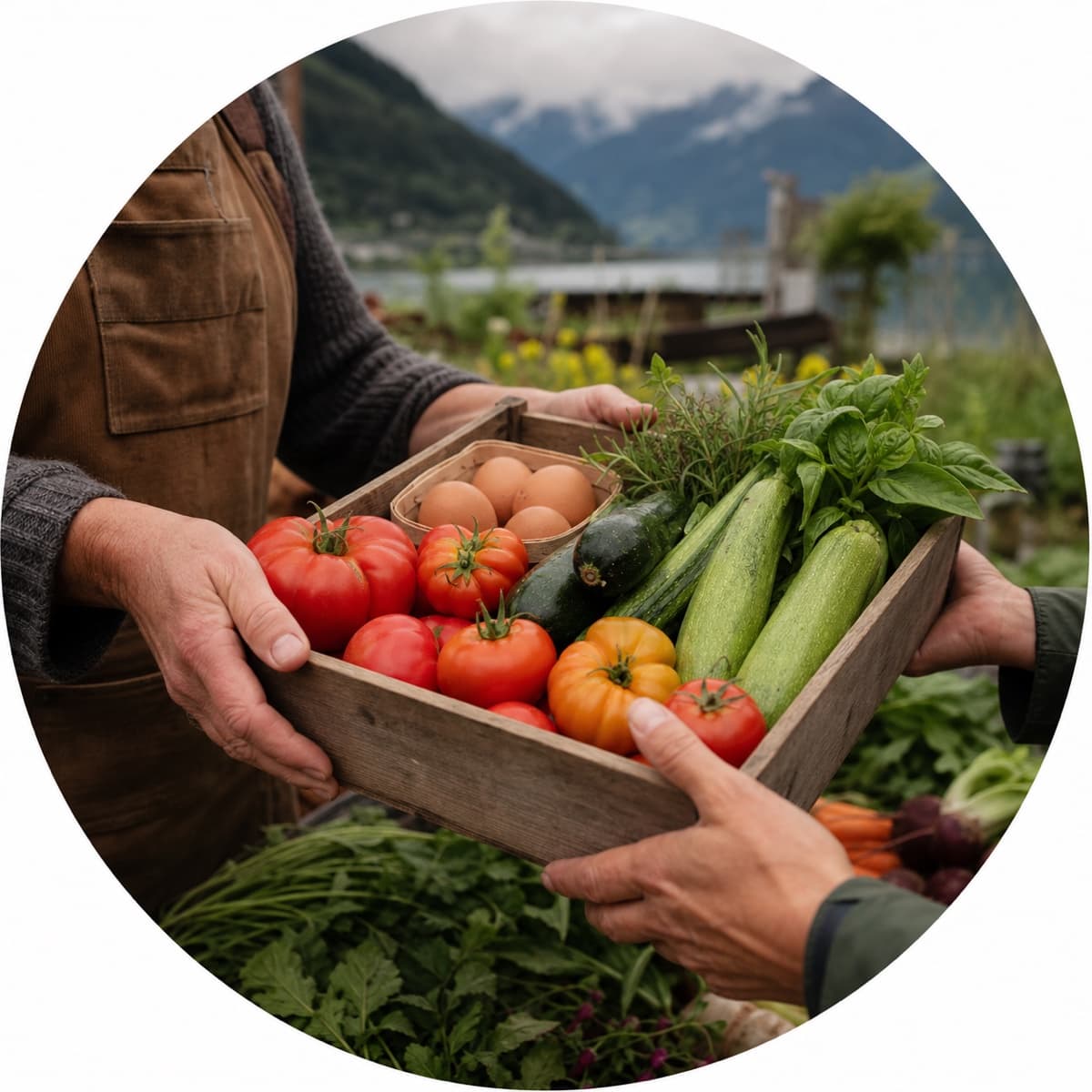
The gardener with too many zucchini, the farm with spare eggs, the small shop with shelf space. Real neighbours, not a warehouse.
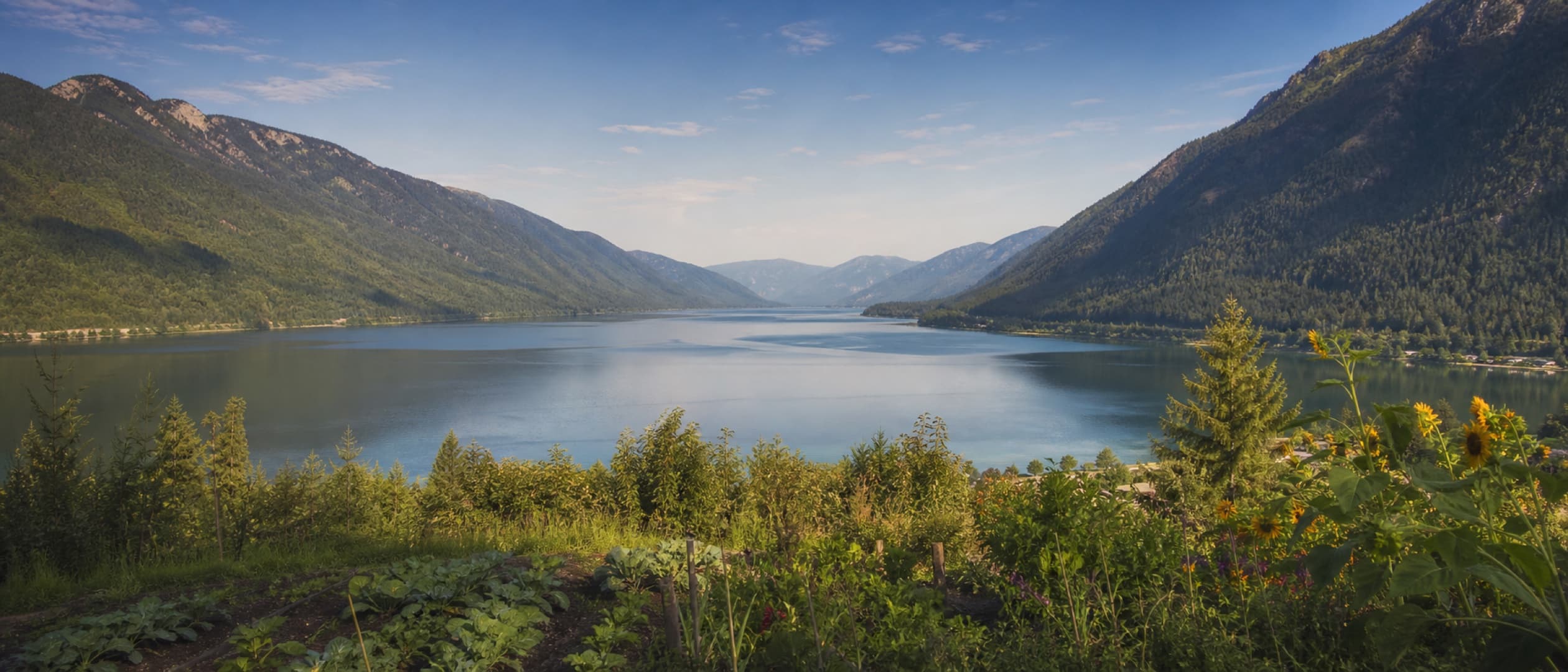
Kootenay Lake · British Columbia
Around Kootenay Lake, the people who grow, make, and sell food and the people who eat it are trading and sharing direct. More of what's on your table comes from someone you know, and less good food goes to waste.
The idea
A commons is something a community looks after together. A food commons brings that close to home: growers, makers, and eaters in one local web, not strangers at either end of a supply chain.
A valley that can feed itself is harder to rattle. When the trucks run late or prices jump, food you can get from a neighbour is food you can count on.
The gardener with too many zucchini, the farm with spare eggs, the small shop with shelf space. Real neighbours, not a warehouse.
Surplus that would have been composted or forgotten finds a table instead. Sharing and trading beat throwing away.
Money spent on local food circles back to local people, instead of leaving the valley with every purchase.
How it works
GrowOperative, the shared tool behind it, shows you what neighbours are growing and offering and makes a trade, a sale, or a giveaway easy to arrange. Pay in cash if you want. Or settle the old way, on trust: a running tally between neighbours, so a lean month never locks you out. The tool just keeps the tab clear and fair.
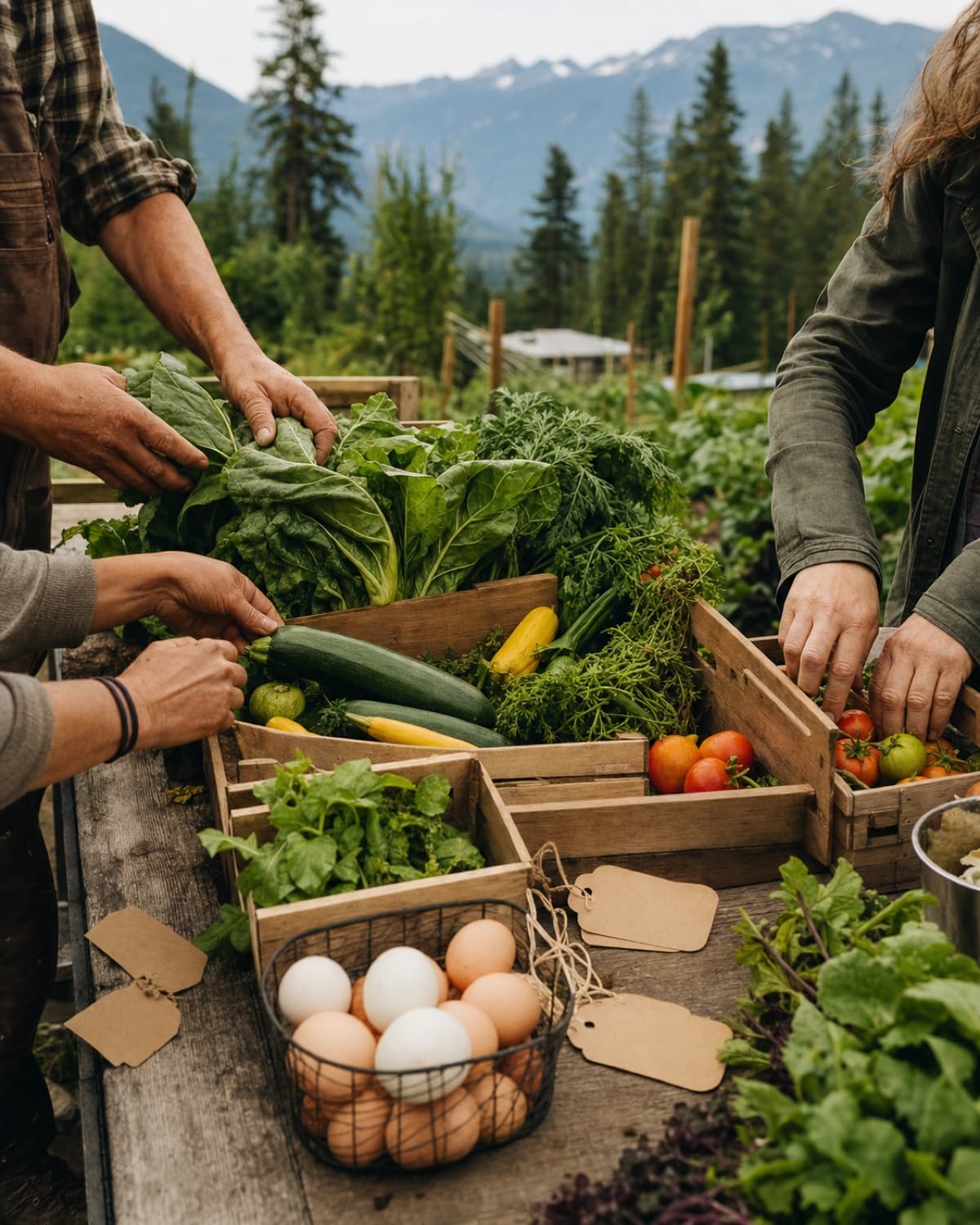
Post what you have going spare, from a flat of tomatoes to a freezer of trout.
See what is available nearby, then message a neighbour to trade, buy, or collect.
Pay in cash, or on a neighbourly tally that keeps trade moving even when money's tight.
A non-profit in the making
We are forming the Kootenay Lake Food Commons Society, a British Columbia non-profit, so this belongs to the community rather than to any one person, and no one can quietly walk off with it. Non-profit status keeps us accountable to the valley instead of to shareholders, and it lets us bring in grants and local support to do more, faster.
Founding board
Directors will be named here once the founding board is confirmed.
A growing network
Food Commons is built to spread. Any community can start its own local food commons and join a wider Canadian network. They share the same tools and the same playbook, but each one stays entirely locally run. Your commons answers to your valley, not to us.
Whether you grow, sell, shop, volunteer, or want to start a commons elsewhere, choose the role that fits you best.
GrowOperative is already helping people join and begin to trade. The Kootenay Lake Food Commons Society is forming to promote that activity, make it easier to take part, and help it grow.
Choose a role and send your note here. We can then reply with a useful next step, or you can write directly to hello@foodcommons.ca.